
Blog
An ASOSAI international conference on audit digitalization was held at SAI Uzbekistan
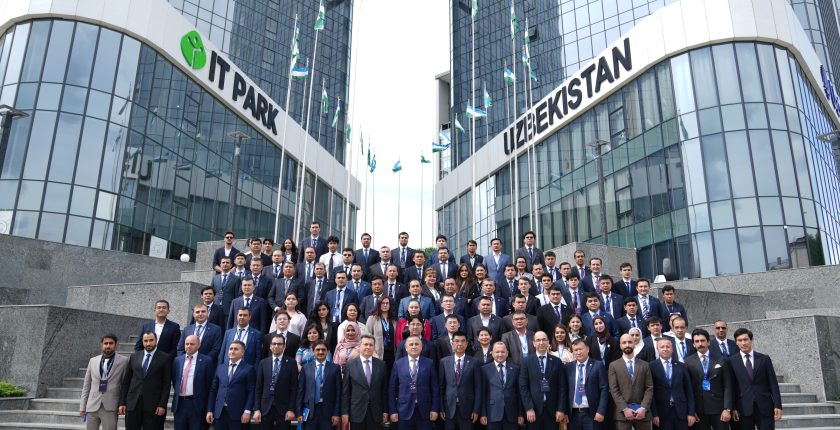
From 21 to 23 May 2026, an ASOSAI international conference on “Digitalization of Audit Processes and Analysis of Big Data through Artificial Intelligence” was held in Tashkent, Republic of Uzbekistan. The event was organized at the initiative of the Accounts Chamber of the Republic of Uzbekistan jointly with the Ministry of Digital Technologies and the Youth Affairs Agency.
The event brought together representatives of the SAIs of Azerbaijan, Armenia, Bangladesh, Bhutan, China, Czechia, Egypt, Hungary, Japan, Kazakhstan, Kyrgyzstan, Latvia, Oman, Pakistan, Türkiye and the United Arab Emirates, as well as experts from the Asian Development Bank, the World Bank, the European Bank for Reconstruction and Development and the International Monetary Fund.
Participants discussed current issues related to the digital transformation of public audit, including the role of artificial intelligence and intelligent Big Data analysis methods, the specifics of conducting remote audit, and cybersecurity.
The conference included two parallel sessions: “Information Technology Audit: Assessment of Information Systems in the Digital Environment, Risk Management and Control Mechanisms” and “Challenges and Innovative Solutions in the Field of Intelligent Big Data Analysis in Public Audit”.
The SAI of the Republic of Uzbekistan shared its experience in working with Big Data and machine learning algorithms. Currently, 817 information system modules are operational, enabling the automated conduct of 80 types of risk analysis across 55 areas. In addition, the artificial intelligence platform “HP-AI Audit-Assistant” has been introduced to identify risks of conflicts of interest and violations in the execution of public procurement contracts.
Following the event, participants emphasized the importance of further strengthening international cooperation and exchange of experience. The development of digital analytical platforms, remote monitoring technologies and a risk-oriented approach will contribute to improving the efficiency and transparency of public audit.